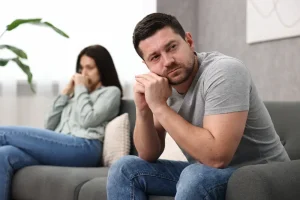
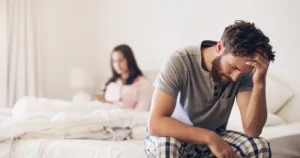
Have you ever noticed how a small comment from your spouse can ruin your whole day? Maybe they didn’t respond to your text quickly enough, they seemed distracted at dinner, or they just made that comment again. You tell yourself, “It’s not a big deal,” but inside, it feels like something just cracked open.
If that sounds familiar, you might be dealing with something called rejection sensitivity and it’s likely showing up in your marriage more than you realize.
Most of us know when we’re a little extra sensitive. But what many couples don’t realize is that this heightened emotional reactivity can quietly erode connection over time. The very closeness you crave starts to feel harder and harder to reach. It becomes easier to anticipate rejection than to risk intimacy.
What Is Rejection Sensitivity?
Rejection sensitivity is a heightened emotional vulnerability to perceived rejection, criticism, or disapproval, especially from someone close to you, like your spouse. It involves a deep fear of being rejected, often rooted in earlier attachment wounds or inconsistent relationships. People with high rejection sensitivity tend to anxiously anticipate being hurt, read between the lines for signs they’re not wanted, and sometimes overreact to even small cues.
This isn’t just about being “sensitive,” it’s a nervous system response. And in the context of marriage, it can quietly sabotage intimacy, communication, and connection over time.
Over time, this pattern can lead to:
- Increased conflict or withdrawal
- Avoidance of vulnerability (especially around sex or emotional closeness)
- Feeling unloved, even in secure relationships
According to studies cited in Psychology Today, rejection sensitivity is associated with lower intimacy, greater fear of abandonment, and less relationship satisfaction overall.
How Rejection Sensitivity Undermines Intimacy
Here’s the hard truth: when you’re wired to brace for rejection, real intimacy becomes incredibly hard to sustain. You want closeness, but you protect yourself from it at the same time.
In marriage, this can sound like:
- “I don’t want to bring it up because they might get upset.”
- “I didn’t initiate anything because I didn’t want to feel rejected.”
- “They probably don’t love me as much as I love them.”
These passing thoughts create real emotional distance. You begin to shut down to avoid hurt. Your spouse might feel confused or shut out. And now, you’re both hurt and disconnected, but neither of you knows how to bridge the gap.
That’s often when couples find their way to therapy with me.
Is Rejection Sensitivity A Trauma Response?
In many cases, yes. It may stem from earlier relationships where love was conditional or inconsistent. If you had a parent who was hot-and-cold or a previous relationship where you were blindsided by abandonment, your nervous system likely learned to anticipate rejection as a form of self-protection.
This is why logic alone doesn’t fix the problem. Even if your spouse reassures you with words, your body may still respond with tension, fear, or shutdown.
In PACT couples therapy (Psychobiological Approach to Couple Therapy), we pay close attention to those automatic responses and what your nervous system does when you feel unsafe or unseen. And we work together to help you and your spouse co-regulate in those moments, so you don’t have to keep going into fight, flight, or freeze mode with each other.
You Might Be Operating In Survival Mode
You may simply be stuck in protective habits that made sense at one point, but aren’t serving your marriage anymore. You may just be working overtime to stay safe in a marriage that now needs new tools for connection.
Rejection sensitivity isn’t a flaw in your character. It’s a reflection of past pain that hasn’t found resolution yet. And until it does, it will keep surfacing in your interactions, often at the worst possible moments.
You might be:
- Overexplaining yourself to avoid misunderstanding
- Walking on eggshells to keep the peace
- Pulling away just when you want to be close
And meanwhile, your spouse might feel confused or even blamed for things they didn’t realize were happening.
These are patterns I help couples unravel every day. With the right tools, they can change.
Is Rejection Sensitivity The Same As RSD?
Not quite. Rejection sensitivity and Rejection Sensitive Dysphoria (RSD) are related but distinct. RSD is most commonly associated with ADHD and tends to be more intense and sudden. It’s characterized by extreme emotional responses to perceived criticism or failure and can feel like emotional free fall.
Rejection sensitivity, on the other hand, is broader and often less explosive, though still deeply painful. You might live with both, but not everyone with rejection sensitivity has RSD.
Understanding the difference helps you find the right tools. In couples therapy, especially with someone trained in ADHD-aware approaches, we can address both emotional patterns and their neurological roots.
Can Rejection Sensitivity Be Healed?
Yes but healing doesn’t mean you’ll never feel sensitive again. It means you’ll understand your triggers, recognize your nervous system cues, and know how to respond instead of react. You’ll start to feel safer in your own body and in your marriage.
Therapy can help you:
- Identify old beliefs about love and worthiness
- Develop emotional resilience through nervous system work
- Create new, secure patterns with your spouse
Healing takes effort, but it’s entirely possible, especially when both partners are willing to work together toward safety and trust.
What Couples Therapy Can Teach You About Rebuilding Trust & Intimacy
When couples come to me feeling stuck in these rejection cycles, we don’t just talk about communication, we get under the surface.
Using PACT and Gottman Method tools, I help couples:
- Understand their attachment styles and nervous system responses
- Learn how to signal safety and reassurance to each other
- Practice real-time co-regulation skills during difficult conversations
- Repair moments of hurt without blame or defensiveness
We won’t be able to eliminate your sensitivity completely. Our goal is to create safety inside your marriage so sensitivity doesn’t have to run the show.
And when that happens? Couples start:
- Taking more emotional risks with each other
- Initiating closeness instead of retreating from it
- Believing their spouse really does love them
- Building the kind of trust that makes intimacy feel safe again
If This Sounds Like You, You Don’t Have To Keep White-Knuckling Your Way Through Marriage
You may already be doing so much to make your relationship work. Reading books, talking to friends, trying to stay calm and communicate. But if rejection sensitivity keeps pulling you into fear or withdrawal, those efforts may fall flat.
There’s no such thing as perfection, but getting support that meets you where you are and shows you the path forward will go a long way toward feeling safe and loved in your marriage.
That’s what couples therapy can be. It’s about healing old wounds so they stop hijacking your present. It’s about building new ways of relating that actually feel safe and sustainable.
I offer couples counseling and intensive couples retreats (online and in-person) for those who want to move past these patterns and build a new way forward. As both a certified PACT and Gottman therapist, I bring tools that address your nervous system, your communication patterns, and your emotional safety all at once.
Let’s get your marriage out of the rejection loop and back into connection.
Book your free 20-minute consultation today.