Can ADHD Get Worse With Stress?
Yes, stress can make ADHD symptoms worse. It does not necessarily mean your ADHD itself is becoming more severe, but the symptoms you already manage—distraction, forgetfulness, impulsivity, frustration, difficulty organizing, or trouble regulating emotions—can become much harder to manage when you are under significant stress.
I see this with adults and couples all the time. Someone who normally manages work, home, schedules, and relationships reasonably well suddenly feels as though everything is slipping. They may wonder, Why is my ADHD worse all of a sudden? Sometimes the missing piece is stress.
Why Can ADHD Get Worse With Stress?
ADHD and stress can feed each other. ADHD affects executive functioning, which includes your ability to organize, prioritize, remember information, manage time, regulate reactions, and shift your attention. Stress places additional demands on many of these same abilities.
CHADD describes the relationship between ADHD and stress as bidirectional: ADHD symptoms can create additional stress, while increased stress can make ADHD symptoms more difficult to manage.
Imagine you already have trouble keeping track of several things at once. Now add a major deadline at work, financial concerns, a sick parent, problems in your marriage, or three weeks of poor sleep. Your brain doesn’t suddenly forget how to function. It is being asked to manage a lot on less sleep, or while overextended. That can make ADHD feel dramatically worse.
What Does Stress-Related ADHD Look Like?
When stress goes up, you may notice yourself losing things more frequently, forgetting conversations, procrastinating, interrupting more, becoming overwhelmed by simple decisions, or struggling to complete tasks that normally feel manageable.
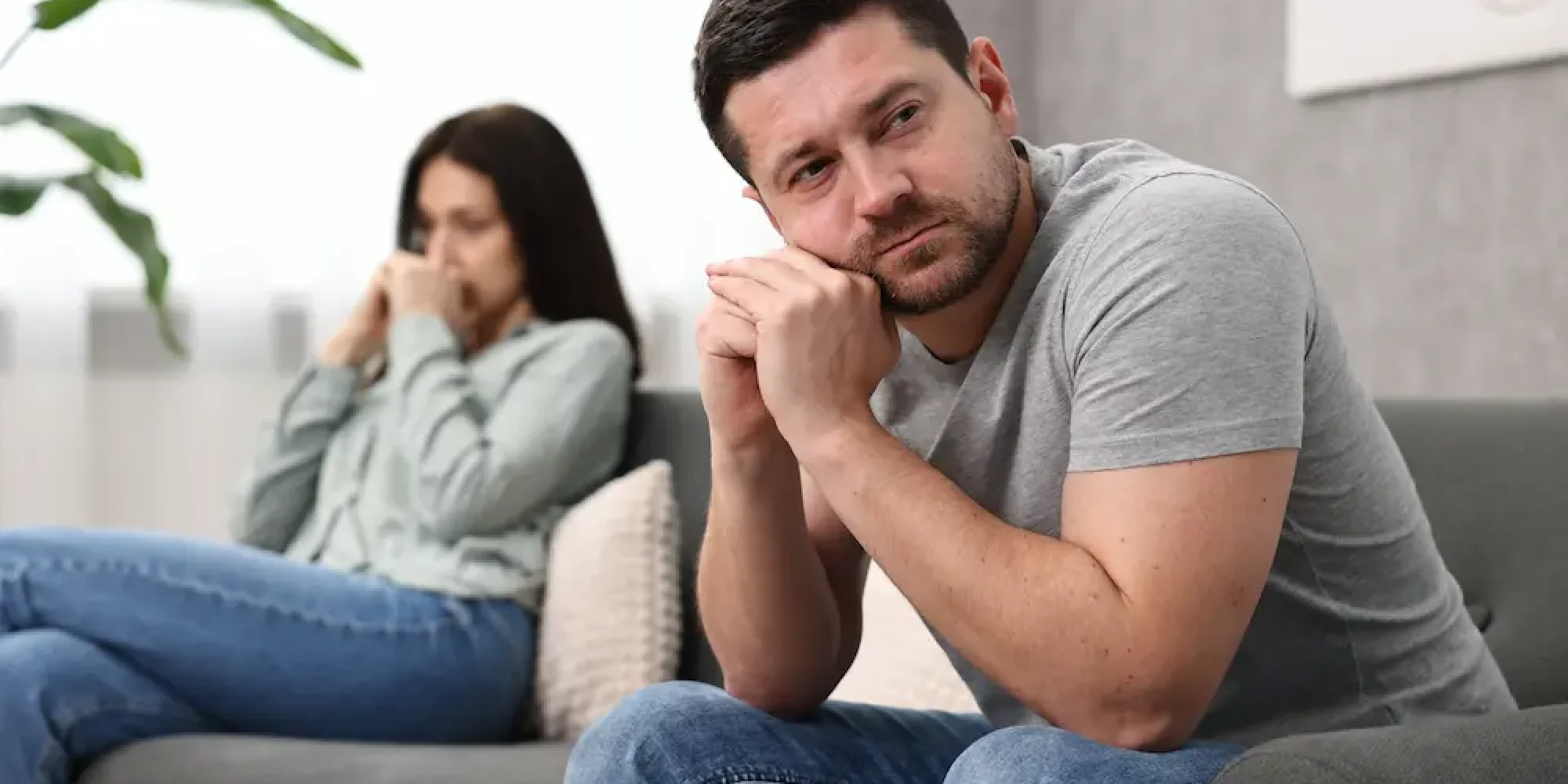
Emotions can become harder to regulate too. You may become more impatient with your spouse, shut down during difficult conversations, react quickly and regret it later, or feel overwhelmed by requests that ordinarily would not bother you. This is one reason ADHD and stress can become particularly difficult inside a marriage.
I work with couples who initially think their biggest problem is communication. Then we begin looking more closely at what is happening underneath the arguments. Oftentimes, one spouse is overloaded and forgetting things. The other feels ignored or left handling too many responsibilities. As a result, frustration builds, conversations become more reactive, and pretty soon they are fighting about something much bigger than an unfinished household task.
ADHD can affect marriages through communication, responsibilities, intimacy, cognitive processing, and executive functioning, which are issues I regularly address with couples in my practice.
Stress Can Also Look Like ADHD
If you suddenly feel much more distracted or forgetful, it does not automatically mean your ADHD is getting worse.
Stress, sleep problems, anxiety, depression, and some physical conditions can produce symptoms that resemble ADHD. The National Institute of Mental Health notes that these factors should be considered when evaluating changes in attention or functioning before jumping to conclusions.
If your symptoms have changed significantly, especially without an obvious explanation, it may be worth discussing what you are experiencing with your physician, psychiatrist, therapist, or another qualified professional.
What Helps When ADHD & Stress Are Colliding?
Start by looking at what has changed in your life. Has work become unusually demanding? Are you sleeping less? Have your responsibilities at home increased? Is your marriage going through a difficult period? Are you trying to remember and manage far more than you were several months ago?
Reducing unnecessary demands and adding structure can help. CHADD recommends maintaining ADHD treatment, creating routines, practicing stress-management techniques, and becoming more aware of how your ADHD symptoms show up during stressful periods.
For couples, I also encourage you to stop treating every ADHD-related problem as a character problem.
Forgetting something does not necessarily mean your spouse does not care. Becoming frustrated does not make someone a bad husband or wife. At the same time, ADHD should not become an excuse that prevents a couple from addressing problems that continually hurt the relationship. Both people need ways to talk about what is happening without slipping immediately into blame.
When ADHD Feels Worse, Pay Attention To The Stress
If your ADHD feels worse during a stressful period, your experience makes sense. Stress can place additional pressure on the same executive functioning abilities that ADHD already makes more challenging. The answer is not simply to try harder.
It may mean examining your workload, sleep, routines, treatment, emotional health, and what is happening within your marriage. Sometimes several small adjustments can make daily life much easier. As a couples therapist who works extensively with ADHD and relationships, I help couples understand how ADHD is affecting both individuals and the marriage so they can stop repeating the same frustrating cycle.
If ADHD and stress are creating distance, resentment, or constant conflict in your marriage, reach out to me. We can look at what is happening and begin finding practical ways to make your relationship work better for both of you.